Skip to content
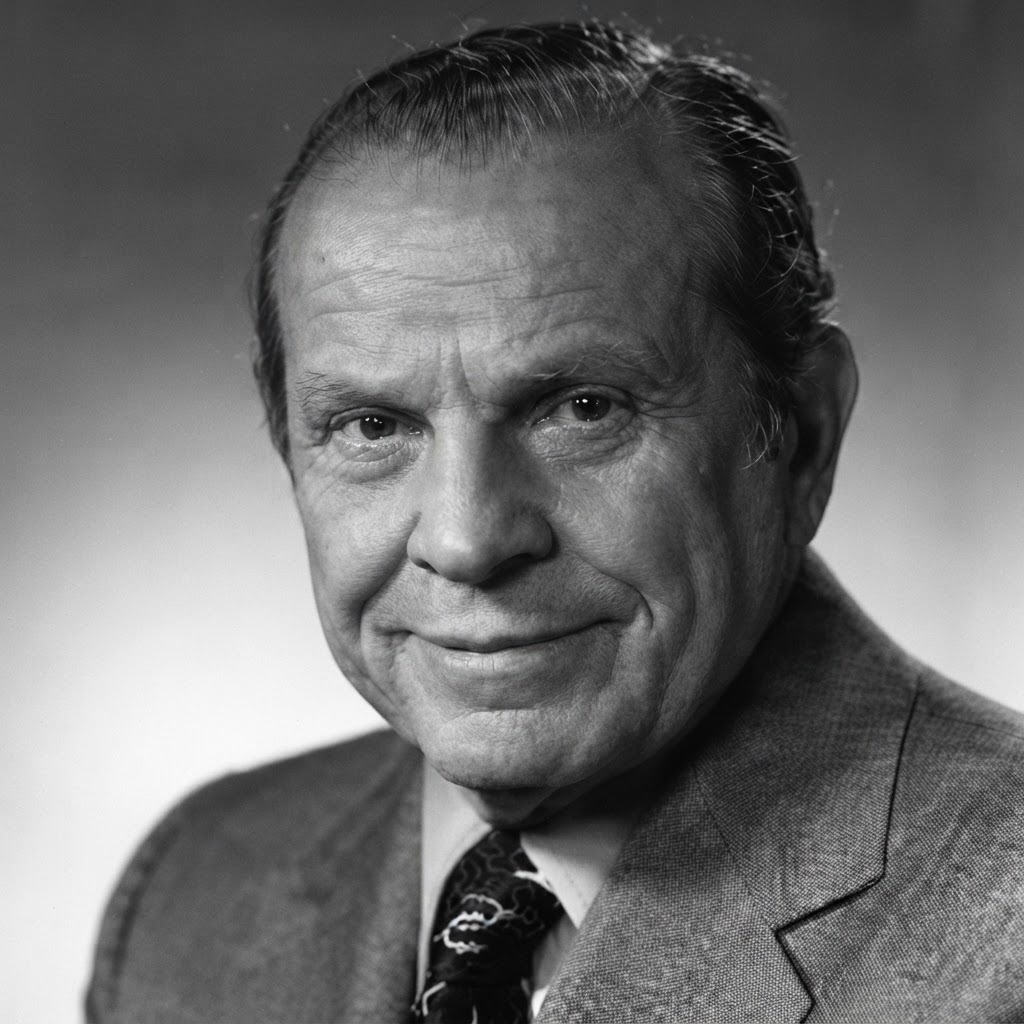
Portrait of Sam Schulman, founding owner of the Seattle SuperSonics

Seattle SuperSonics · 1967–1983

Founding owner. Independent spirit.

Enlarge

In Memoriam

In Memory ofSamuel
Schulman

April 10, 1910 – June 12, 2003

He helped give Seattle a team.
He helped Spencer Haywood open a door.
He helped give young generations a chance.
He helped shape the NBA we know today.

Founding owner of the Seattle SuperSonics, NBA champion, and the owner who stood with Spencer Haywood when the game’s rules stood in his way.

1967

A new era for Seattle

The SuperSonics begin play after the franchise is awarded in December 1966.

1971

A stand for opportunity

Schulman stands with Spencer Haywood in a landmark challenge to NBA eligibility rules.

1979

An NBA championship

Seattle’s expansion dream becomes a championship under coach Lenny Wilkens.

2027

Naismith Basketball Hall of Fame Veteran Contributor’s Review for Induction

His case goes before the Hall of Fame’s Veteran Contributor review for enshrinement.

“History often celebrates the people who benefit from change. It must also remember those who had the courage to make that change possible.”

Sam Schulman helped build a basketball franchise. His most enduring contribution was helping change who had the right to play.

Born in New York City on April 10, 1910, Schulman graduated from New York University in 1932 and earned a master’s degree at Harvard Business School in 1934. He then turned a struggling Brooklyn bookbinding company, George McKibben & Son, into a profitable business. His career expanded into publishing, professional sports, and motion-picture financing.

In Seattle, that entrepreneurial drive took on a public life. He helped launch the SuperSonics, backed the decisions that led to the 1979 NBA title, and challenged an NBA rule that kept accomplished young players from earning a living. His alliance with Spencer Haywood combined competitive ambition with a conviction that the league’s restrictions were wrong.

01 / 1966–1967

A city finds its team

On December 20, 1966, the NBA awarded Seattle an expansion franchise. Schulman and Eugene Klein supplied the ownership backing, while Dick Vertlieb and Don Richman played essential roles in developing the proposal and winning the team. Their combined work brought NBA basketball to the Pacific Northwest.

The SuperSonics began play in the 1967–68 season at the Seattle Center Coliseum, with Al Bianchi as head coach and an inaugural roster including Walt Hazzard, Bob Rule, and Tom Meschery. SeattlePI’s archive recalls that the news first broke on December 16, four days before the official award. It was the beginning of a new chapter in Seattle’s sporting identity.

02 / 1973–1979

From an expansion franchise to NBA champions

Schulman brought Bill Russell to Seattle as coach and general manager in 1973. In the 1977–78 season, after a 5–17 start under Bob Hopkins, he turned again to Lenny Wilkens. The team reached the 1978 NBA Finals, then returned the following season and won the 1979 championship. The title was the culmination of years of investment, difficult decisions, and a determination to build a winner.

The championship remained profoundly personal. In its 1983 reporting, UPI recorded Schulman calling it one of the major highlights of his life. The Seattle Times later reported that he wore his championship ring until his final hospital stay. For the owner the players called ‘Hollywood Sam,’ the achievement was much more than a business success.

03 / 1983–2003

The man beyond the courtside seat

In 1983, Schulman sold the franchise to Ackerley Communications for $21 million as his film-business responsibilities grew. UPI’s account captured his immediate sadness at leaving a team that had become part of his life. His film-financing work continued, and he retired in 1995 at age 85.

The Seattle Times also preserves a quieter side of his legacy. Broadcaster Bob Blackburn recalled that Schulman matched the charitable fundraising of Sonics players’ wives and supported women’s collegiate sports through scholarships. He and his wife Sylvia shared 62 years of marriage. He died on June 12, 2003, at age 93, leaving a family, a basketball city, and a game changed by his willingness to challenge it.

Explore the original articles & court record

1970–1971 / The turning point

The right to earn a living.

The NBA’s four-year rule barred a player from being drafted or signed until four years after his high-school class graduated. Spencer Haywood was already an Olympic gold medalist and the ABA’s 1969–70 Rookie of the Year and Most Valuable Player. Yet that rule still kept him out of the NBA.

Haywood’s circumstances made the restriction especially consequential. He had grown up in poverty in Mississippi and wanted to support his family. After a dispute over his Denver Rockets contract and its deferred compensation, Schulman signed him to Seattle in December 1970, despite the league’s objections.

The opposition was not abstract. The NBA threatened sanctions against Haywood and Seattle. Haywood later recalled being removed from games and, in Cincinnati, being put outside the arena in the snow. Schulman backed him financially and professionally as he challenged the restriction under federal antitrust law.

“I couldn’t see any logical reason for keeping a man from making a living.”Sam Schulman, 1997 interview, as reported by The Seattle Times

On March 1, 1971, Justice William O. Douglas restored the preliminary injunction allowing Haywood to play. The wider legal fight and subsequent settlement helped displace the four-year barrier with a hardship exception, opening a path toward the early-entry system that followed.

The principle reached beyond one signing: a talented young athlete’s livelihood should not be withheld simply because his college class had not graduated. Haywood was the player who carried that fight. Schulman was the owner willing to stand beside him when doing so put his own interests at risk.
Life & leadership

5 articles

Seattle & the SuperSonics

4 articles

The Haywood case & its legacy

6 articles

National Basketball Retired Players Association

August 27, 2019

Game Changer: Spencer Haywood’s Court Victory Still Resonates

John Fawaz recounts Haywood’s early brilliance, the hostility he faced, and the career opportunities that followed the legal challenge.

Read original source

The Guardian

April 12, 2023

Spencer Haywood: the NBA star who opened the door for generations of prodigies

Haywood reflects on poverty, exclusion, Schulman’s backing, and the lasting human and economic impact of the case.

Read original source

Justia / U.S. Supreme Court

March 1, 1971

Haywood v. National Basketball Assn., 401 U.S. 1204 (1971)

The primary legal record: Justice William O. Douglas’s order reinstating the preliminary injunction that allowed Haywood to play.

Read original source

Associated Press

December 2021

NBA in the ’70s: Haywood case set stage for ‘One and Done’

A first-person interview on early entry, opportunity across generations, and Haywood’s recollections of Schulman’s loyalty.

Read original source

LIFE magazine / JackGordon.org archive

April 23, 1971

Sam Schulman—the key to the merger

The contemporary LIFE account of how bringing Spencer Haywood to Seattle challenged the sports establishment, preserved by JackGordon.org.

Read original source

SonicsCentral

Independent historical retrospective

1970–71: Spencer and Sam Change Sports Forever

A detailed season history of how bringing Haywood to Seattle changed professional sports, drawing on Wilkens and Haywood’s published accounts.

Read original source

These independent sources are provided for historical context and do not imply endorsement of the nomination. Some publishers require a subscription; older archives may use legacy page formats.

To the Naismith Memorial Basketball Hall of Fame Veterans Committee:

We, the undersigned, respectfully urge the Committee to induct Samuel Schulman as a Veteran Contributor. As founding owner of the Seattle SuperSonics, Schulman brought the NBA to the Pacific Northwest, built an expansion franchise into the 1979 NBA Champions, and stood behind Spencer Haywood in the legal fight that opened professional basketball to players who had been barred from it.

His courage changed the lives of generations of players who came after him. Recognizing him alongside the men who benefited from his convictions is long overdue.

  • Your name, city, and message appear publicly below and are shared with the Hall of Fame nomination effort.
  • Your email is used only to confirm your support and is never published.

Add your name

Every signature strengthens the nomination. It takes less than a minute.

By signing, you support the nomination of Samuel Schulman for induction into the Naismith Memorial Basketball Hall of Fame. Your email will not be published.

Voices of support

The signatures so far

1 signature

  • Mr. Schulman did what was Right for Spencer Haywood and the game of basketball by challenging the institution of basketball. He knew he was helping Spencer Haywood and Seattle at the time, but his bravery, grit and determination helped in so many other ways. Let's celebrate the man who has not yet truly been celebrated in the way his memory deserves.

    Heather Doucette Larkin

    North Dartmouth, Massachusetts · Nov 27, 2026

Sam Schulman stood with Spencer Haywood when standing with him cost something. That conviction, that an athlete deserves the same chance as anyone else, is the work Beyond the Game Foundation carries on today, with the student-athletes writing the next chapter.

Her Next Play™

Young women building what comes next

Mentors, grants, and a stage for girls and young women turning an idea into a business, the same belief in an athlete's whole life that Sam Schulman acted on.

Explore Her Next Play

Pillars of Support

The whole athlete, supported

Mental wellness, academic achievement, and life beyond the game. The Foundation's programs carry his conviction forward with student-athletes today.

See the Pillars of Support

In his memory, and in their name.